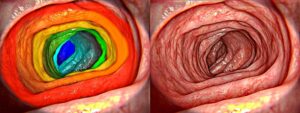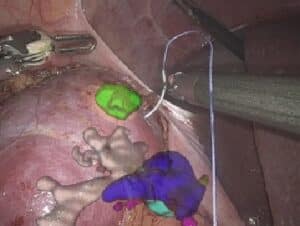
Next Generation Intra-op Navigation
During minimally invasive surgeries, surgeons are limited in their field of view, which restricts their observation of the patient’s full anatomy. This may lead to

During minimally invasive surgeries, surgeons are limited in their field of view, which restricts their observation of the patient’s full anatomy. This may lead to
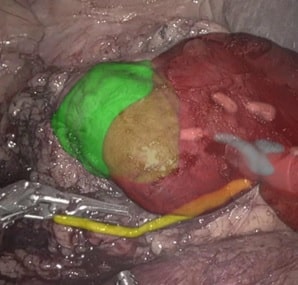
This next generation robotic surgery innovation utilizes AI-based visual intelligence to provide vital information that is overlaid and presented on the video feed in real-time
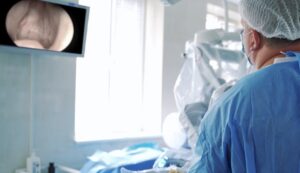
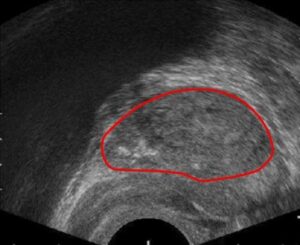
How can Artificial Intelligence benefit urology patients, in particular those affected by prostate BPH (Benign Prostatic Hyperplasia)? AI-based solutions for urology applications are under development
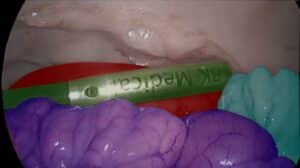
The use by the surgical community of single-port as a surgical approach is increasing in frequency. A port is the entrance gate of the tools
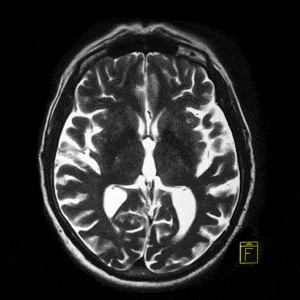
Brain surgeries are very complex: they need to be extremely accurate, since you want to spare healthy tissue; planning is very thorough, as the surgeon
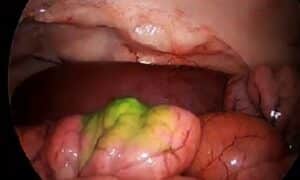
Our team has followed with deep attention the recent Hamlyn Symposium. In particular, we have enjoyed the great presentation by Professor Laura Marcu from UC
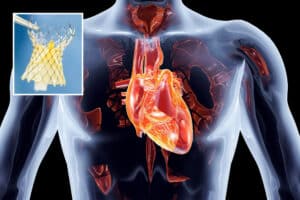
Structural heart diseases include structural deformation of the heart, like valve leakage: the blood flows in two directions and the patient is losing efficiency of
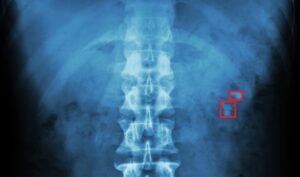
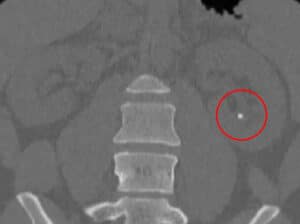
Urolithiasis, or kidney stones, is a common pathology affecting nearly 10% of the population in the USA. There are various treatment options for urolithiasis. The
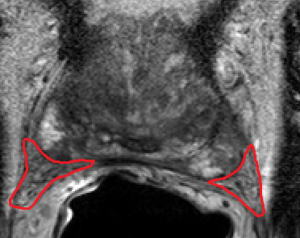
Tissue sparing is a common practice during surgeries. This approach aims to remove as little as possible of the surrounding tissue during a procedure. Studies
As the use of robotic assisted surgeries (RAS) increases, so does the amount of recording cameras in the operating room (OR). The data from these
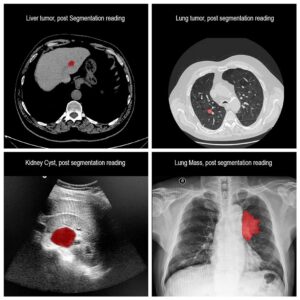
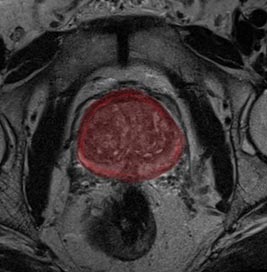
In the medical field, image analysis plays a crucial role in both diagnosis and treatment. Its central tool is segmentation, which involves partitioning an image
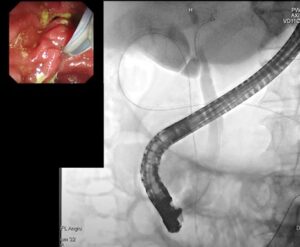
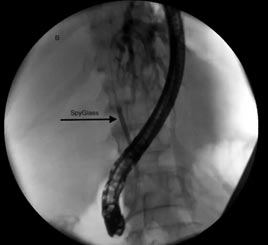
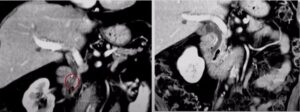
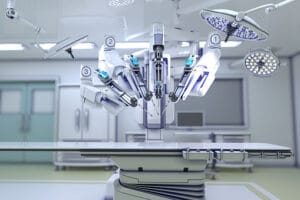
Image analysis techniques and artificial intelligence are leading to radical innovations in renal cancer diagnosis and treatment. In particular, renal cancer robotic surgery. Advanced AI algorithms and computer vision assist in detecting and classifying all kinds of renal diseases, using segmentation and contour detection. This results in improved diagnostic accuracy and enhanced personalized treatment for patients. Moreover, robotic assistance in renal surgeries has gained increased traction in both complete and partial nephrectomies. Surgical planning and 3D reconstruction based on CT and MRI images play vital roles in successful robotic-assisted kidney-related procedures
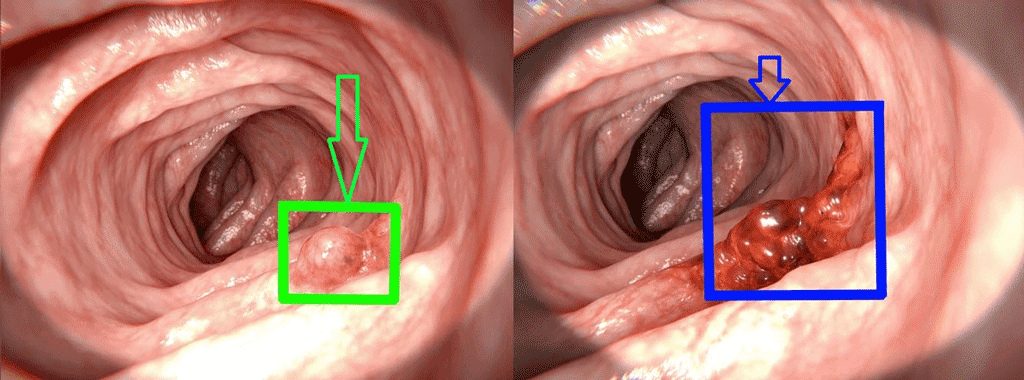
Upper gastrointestinal cancers, including esophageal cancer and gastric cancer, are among the most common cancers worldwide. However, a lack of endoscopists with colonoscopy skills has been identified and solutions are critically needed. The development of a real-time robust detection system for colorectal neoplasms is needed to significantly reduce the risk of missed lesions during colonoscopy.