AI algorithms for Surgical Video Analysis
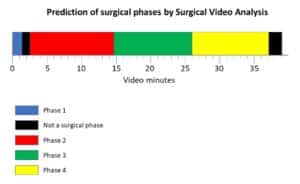
Surgical video analysis involves using artificial intelligence and machine learning algorithms to analyze surgical video footage. This practice, which includes both intraoperative and postoperative video

Surgical video analysis involves using artificial intelligence and machine learning algorithms to analyze surgical video footage. This practice, which includes both intraoperative and postoperative video
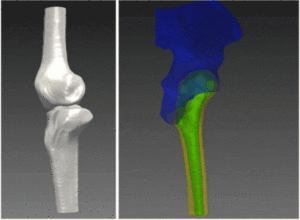
3D models of joints and bones are widely used for a large variety of orthopedic clinical purposes including preoperative planning, patient specific implant design, jig
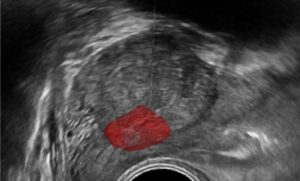
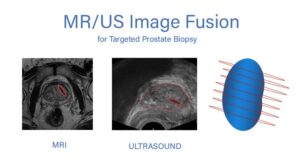
Approximately one million prostate biopsies are performed each year in the United States to diagnose and monitor prostate cancer. Doctors commonly use transrectal ultrasound (TRUS)
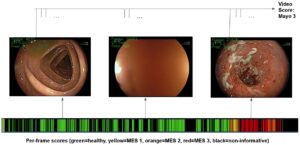
Clario, GI Reviewers and RSIP Vision Team Up to Present a New AI Solution to Advance Clinical Trials for Inflammatory Bowel Diseases Innovative, human-level AI
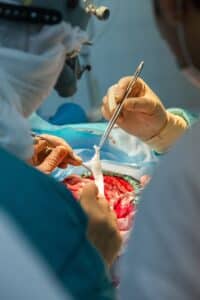
Most of the tissue handled by the surgeon (or by a robotic hand) during brain surgeries is flexible: With the obvious exception of bone, which
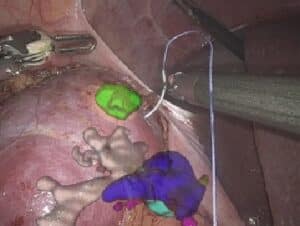
During minimally invasive surgeries, surgeons are limited in their field of view, which restricts their observation of the patient’s full anatomy. This may lead to
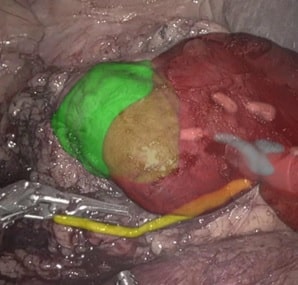
This next generation robotic surgery innovation utilizes AI-based visual intelligence to provide vital information that is overlaid and presented on the video feed in real-time
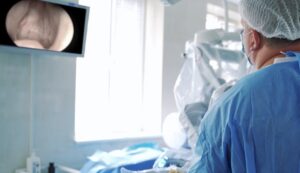
How can Artificial Intelligence benefit urology patients, in particular those affected by prostate BPH (Benign Prostatic Hyperplasia)? AI-based solutions for urology applications are under development
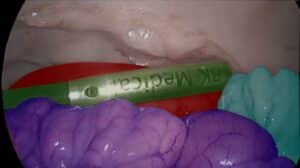
The use by the surgical community of single-port as a surgical approach is increasing in frequency. A port is the entrance gate of the tools
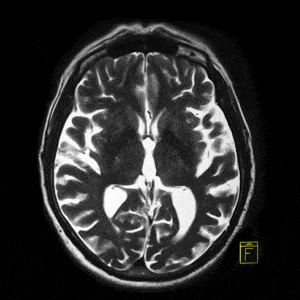
Brain surgeries are very complex: they need to be extremely accurate, since you want to spare healthy tissue; planning is very thorough, as the surgeon
How can Artificial Intelligence benefit urology patients, in particular those affected by prostate BPH (Benign Prostatic Hyperplasia)? AI-based solutions for urology applications are under development
The use by the surgical community of single-port as a surgical approach is increasing in frequency. A port is the entrance gate of the tools
Brain surgeries are very complex: they need to be extremely accurate, since you want to spare healthy tissue; planning is very thorough, as the surgeon
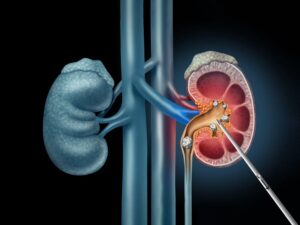
Urolithiasis, or kidney stones, is a common pathology affecting nearly 10% of the population in the USA. Percutaneous Nephrolithotomy (PCNL) is a minimally invasive urology
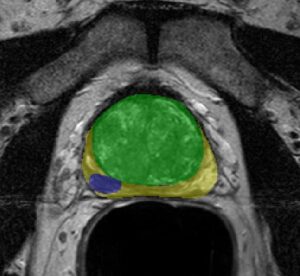
Prostate Cancer and PI-RADS scoring Prostate cancer is the most common male cancer in the USA. When diagnosed early, mortality rates are very low, therefore,
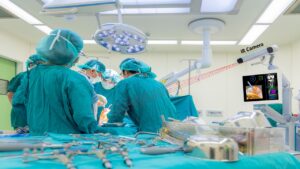
Orthopedic surgeries such as hip or knee replacement are performed via an incision which often compromises the surrounding tissue. The assimilation of RAS into these
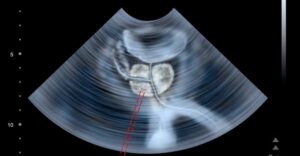
Challenges in Biopsies There are various types of urological cancers, the most common ones being prostate and kidney cancer. In cancer, early and accurate detection
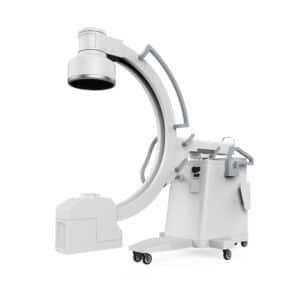
Fluoroscopy is an extremely useful imaging tool in surgical procedures in orthopedics, cardiology, GI, etc. In some cases, it is used as a real-time modality

Standard imaging techniques make use of the visible light spectrum. As is known, the visible light is divided into three bands – red, green, and